
A review of manta and devil ray courtship and mating
December 2025
M. Carpenter, A. P. Klimley, A. Boggio-Pasqua, M. D. Palacios, A. O. Armstrong, S. Hilbourne, M. Guerrero, M. Lapinski, K. Fuentes & G. M. W. Stevens
Keywords: Mobulids • Mobula • Copulation • Fish Behaviour • Elasmobranch

Summary:
Manta and devil rays are wide-ranging and threatened, yet their courtship and mating behaviours are poorly understood, with most research focusing on the reef manta ray (M. alfredi). This study collated 87 new observations from eight manta and devil species across 18 countries using videos, photographs, and scientific engagement, categorised into seven courtship stages. Notably, the Atlantic pygmy devil ray (M. hypostoma) is documented for the first time, while some species remain unobserved. Novel behaviours, including male-to-male pseudo-courtship, were recorded, expanding knowledge of species-specific mating strategies and refining the existing sequential framework for manta and devil ray courtship.
Abstract
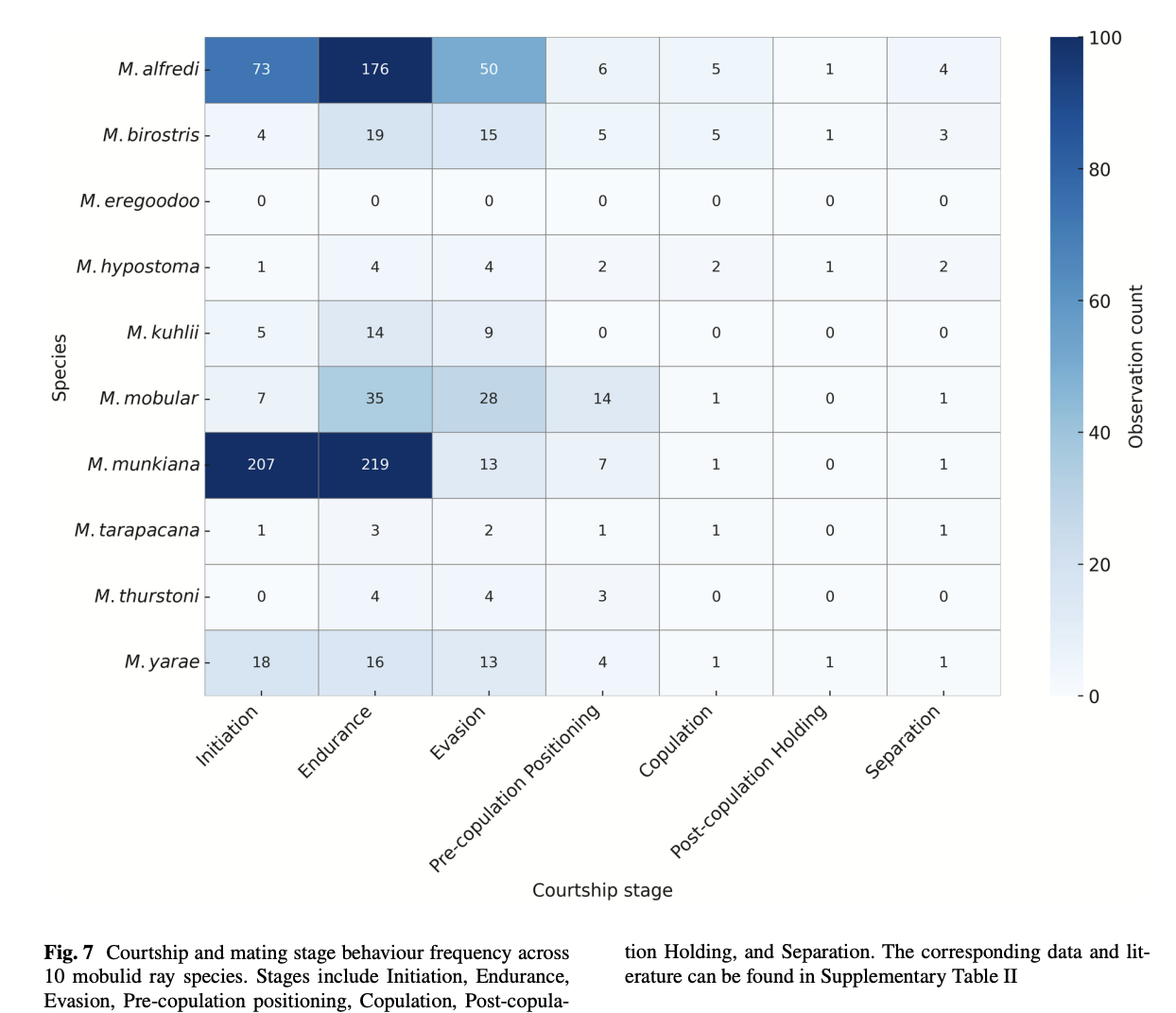
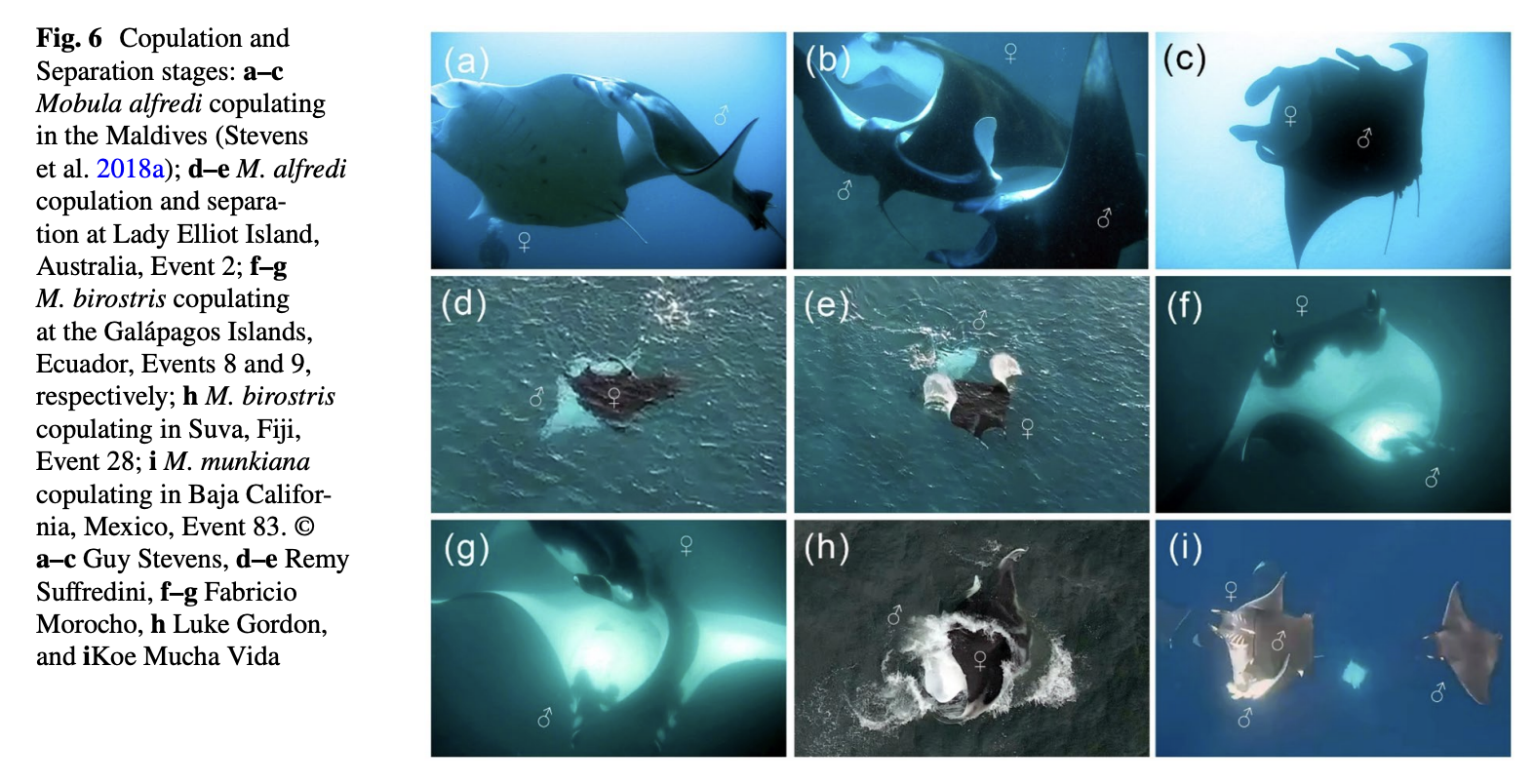
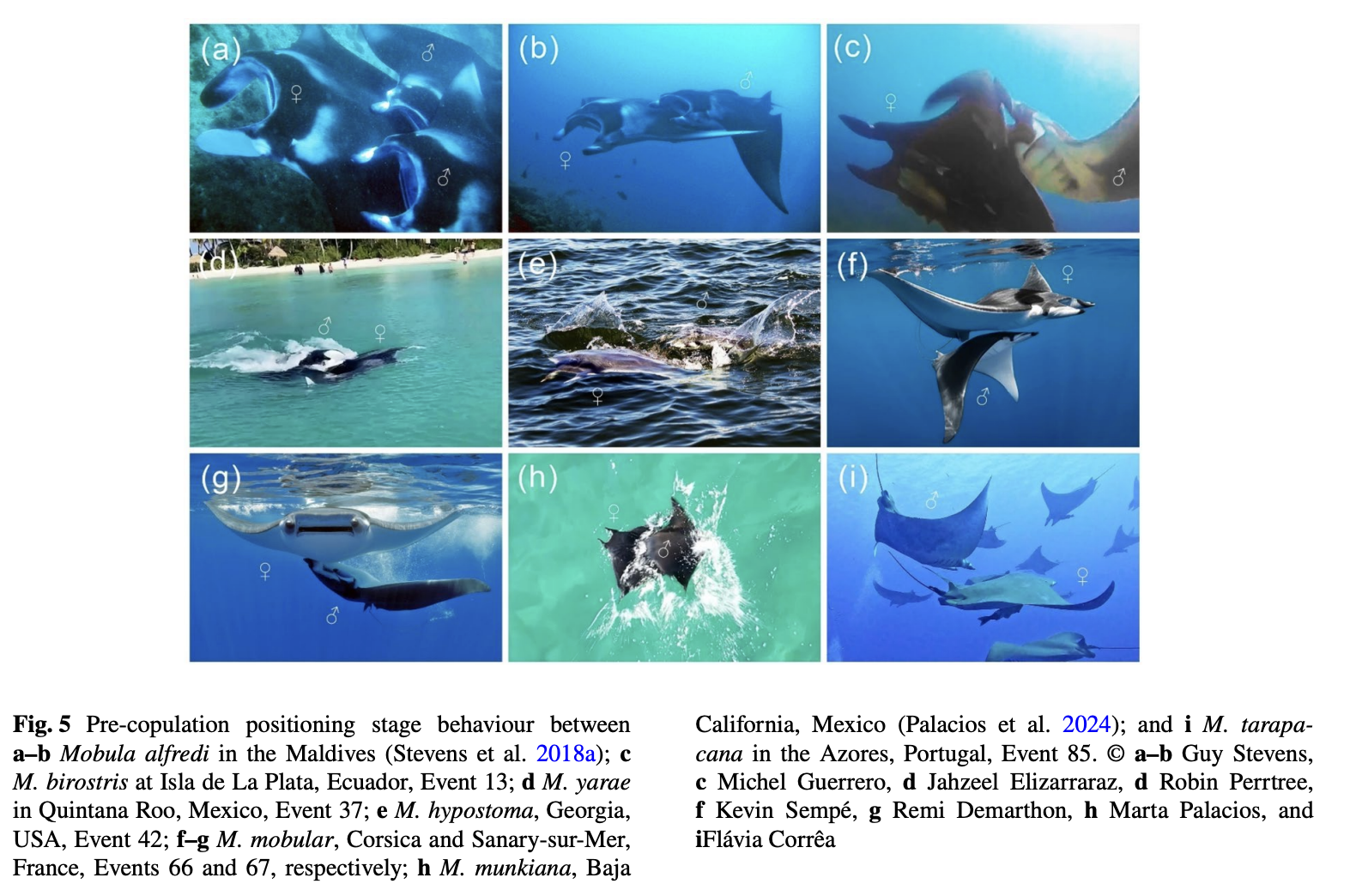
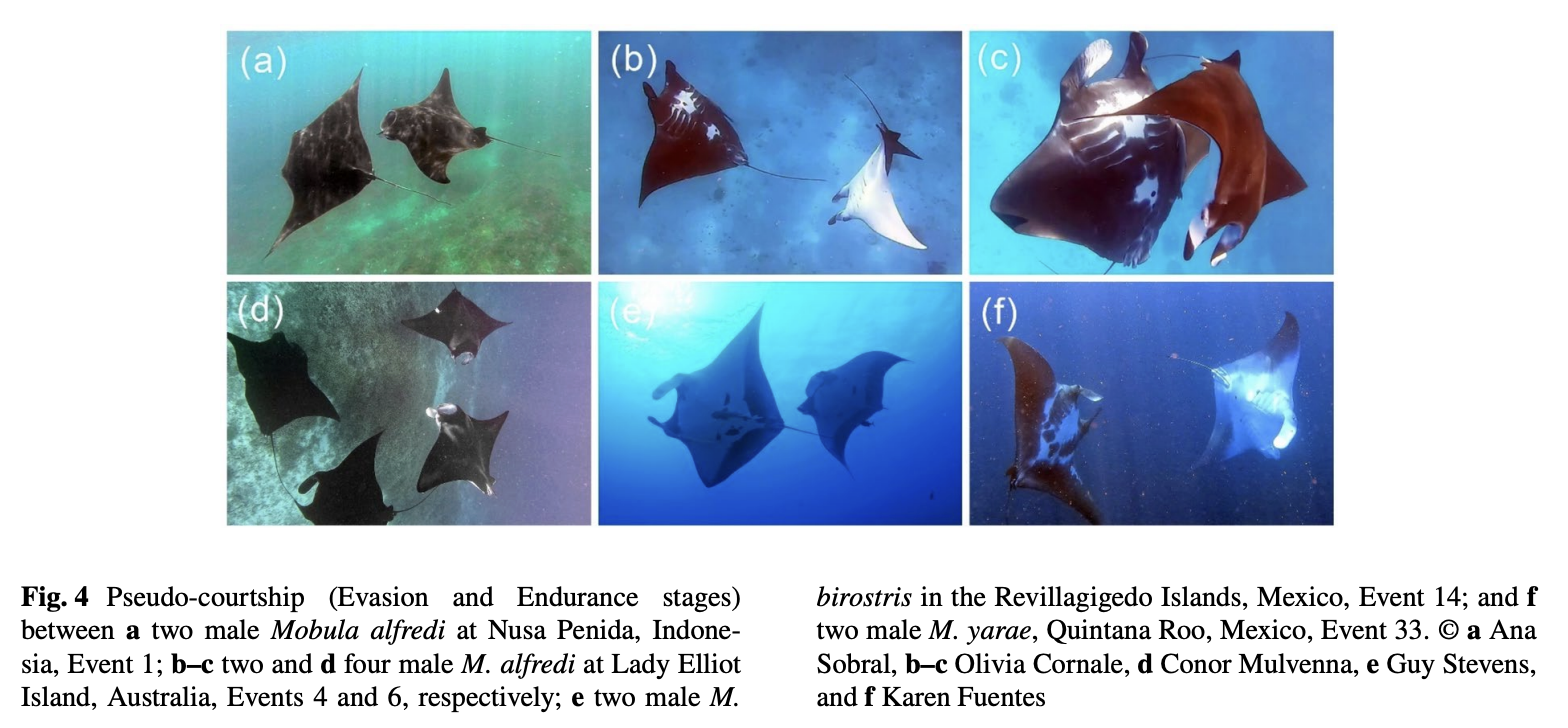
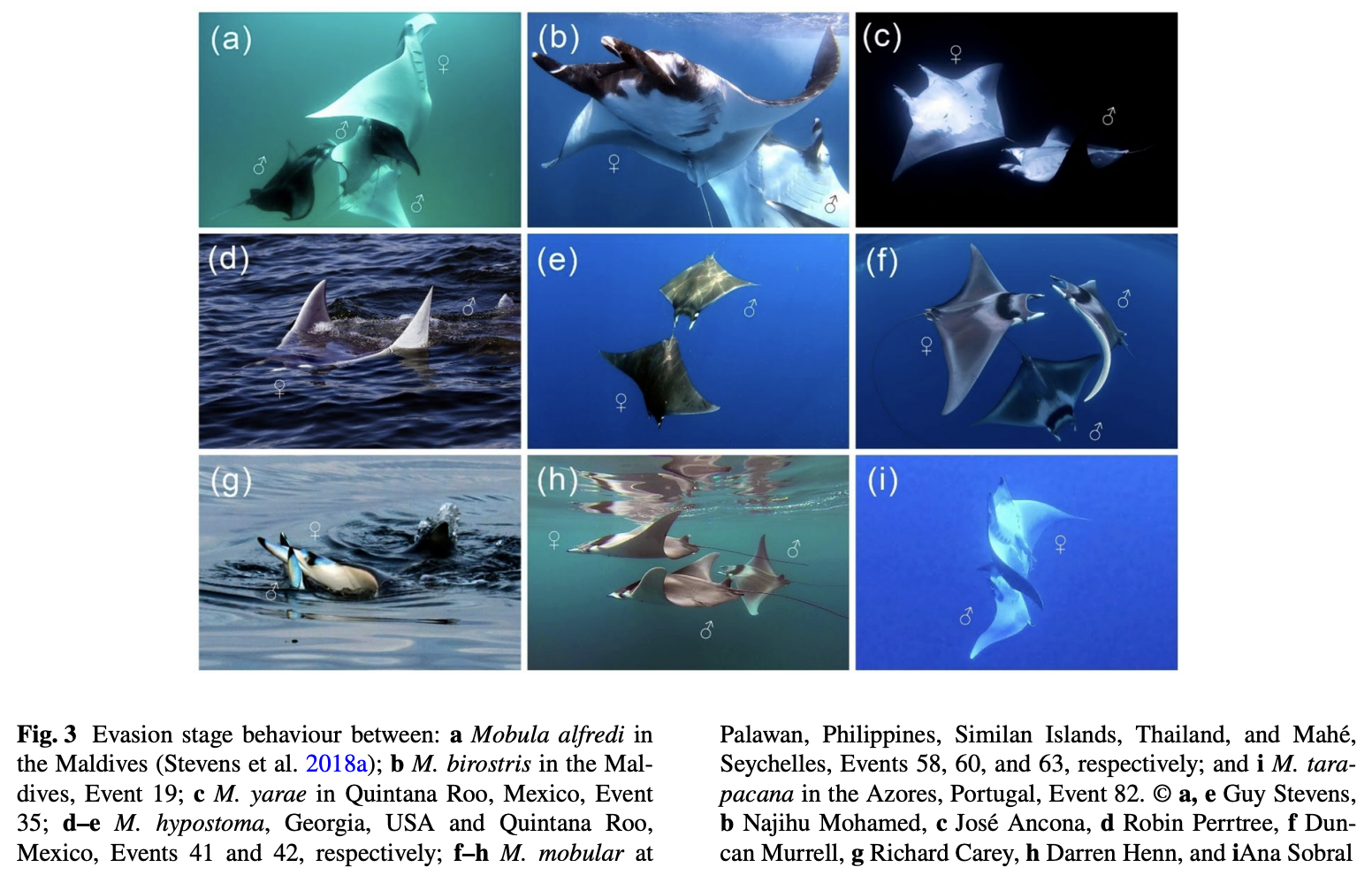
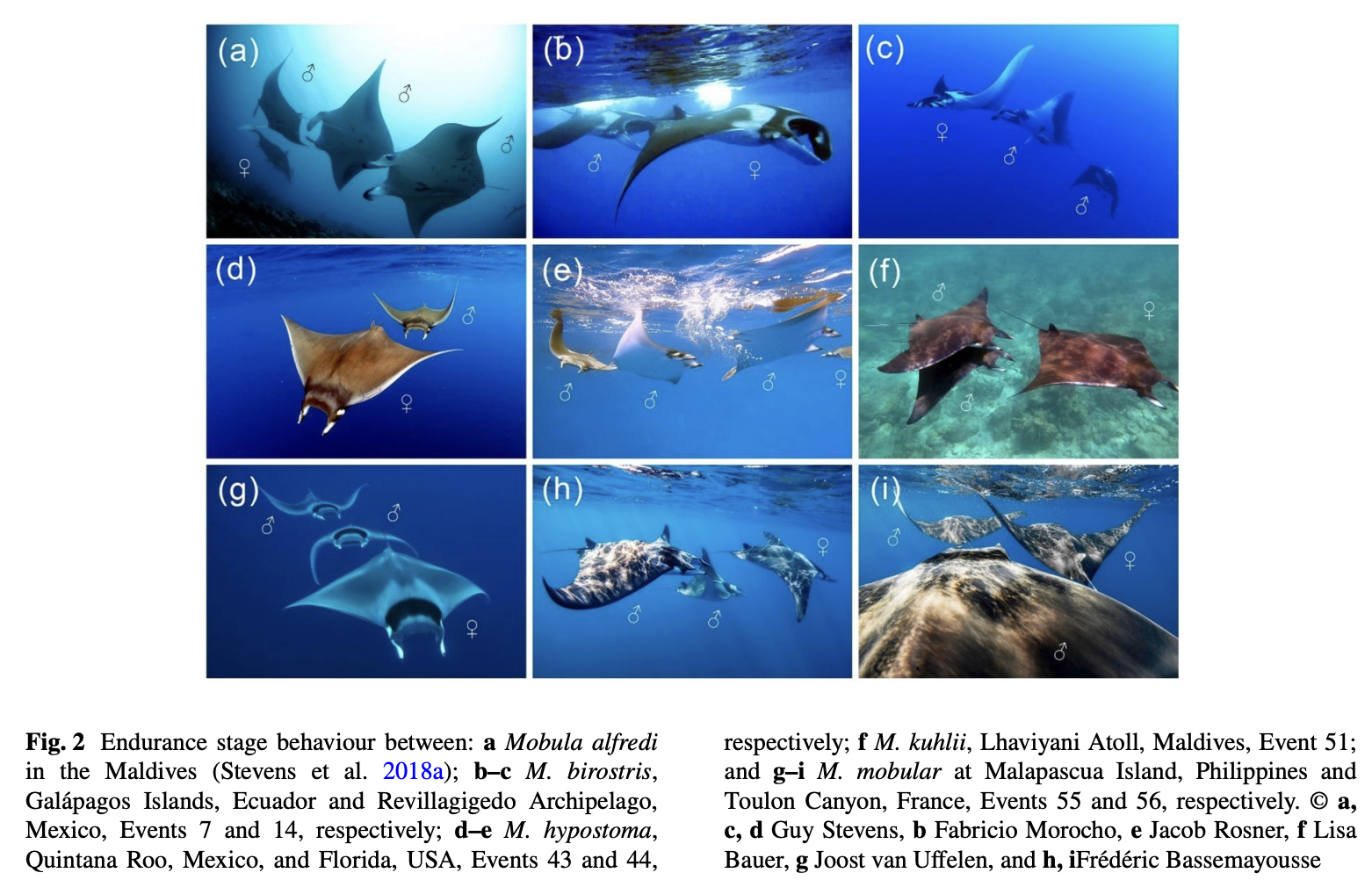
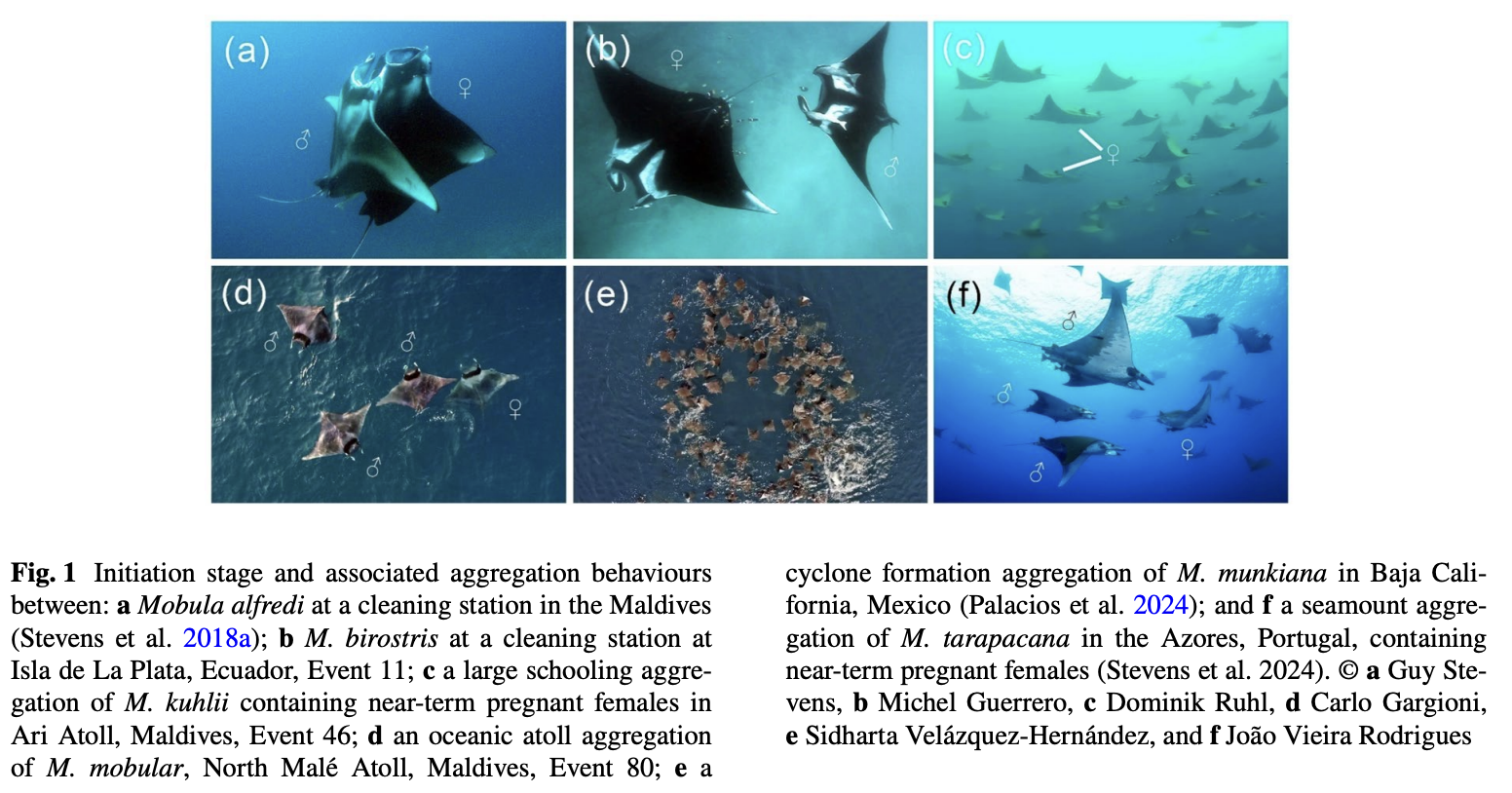
“The family Mobulidae (genus Mobula), comprising manta and devil rays, represents a wide-ranging, threatened group of species. The courtship and mating behaviours of most mobulid species remain poorly understood, with the majority of the existing literature focusing on the reef manta ray (M. alfredi). For this study, new observations were compiled globally via Internet and YouTube searches as well as through engagement with the scientific community, with particular focus on the lesser-studied species. Each video or photographic observation was analysed and categorised based on known courtship stages. Here, we present 87 new records of courtship/mating behaviour from eight of the ten described mobulid species across 18 countries/territories. All seven stages were recorded in the study: Initiation (n = 17), Endurance (n = 71), Evasion (n = 52), Pre-copulation positioning (n = 21), Copulation (n = 9), Post-copulation holding (n = 2), and Separation (n = 6). The videos and photographs presented for the Atlantic pygmy devil ray (M. hypostoma) represent a first for this species, while the absence of any courtship or mating observations for the longhorned pygmy devil ray (M. eregoodoo) and the lack of new observations for the bentfin devil ray (M. thurstoni) demonstrate that further investigation is needed for the lesser-studied species. New records were compared to the existing literature and novel behaviours, such as male-to-male pseudo-courtship (documented in four species), were described. Our results substantially expand the body of knowledge on mobulid courtship and mating behaviours. These observations align with the previously described sequential framework, with additional refinements for individual species and novel delineations of species-specific behaviours within the defined stages.”
Infographic
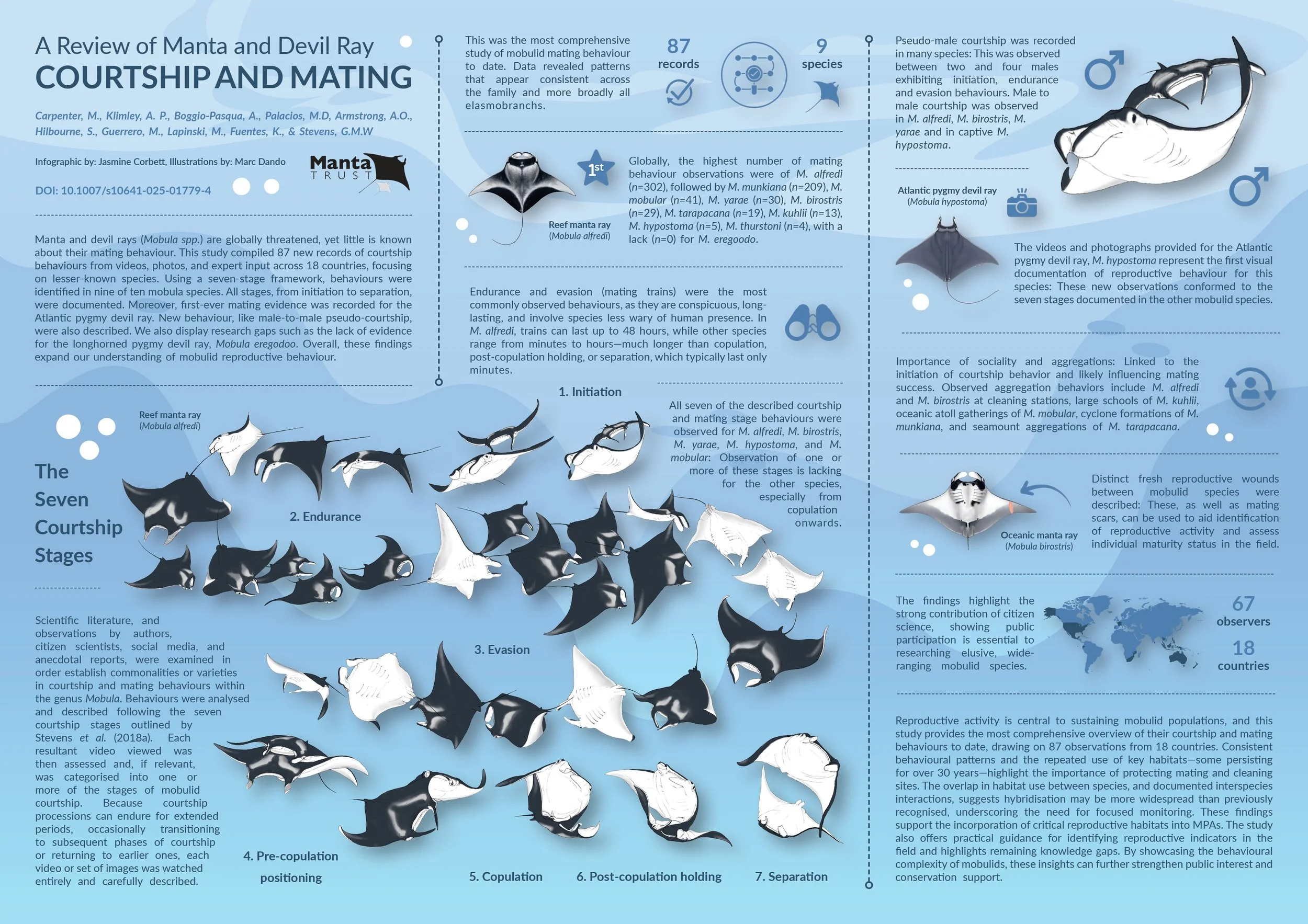
Infographic by Jasmine Corbett
Author Affiliations
The Manta Trust
Department of Biological Sciences, University of Cape Town
Biotelemetry Laboratory, Department of Wildlife, & Conservation Biology, University of California Davis
Aix-Marseille Univ, Université de Toulon
Mobula Conservation
Project Manta, School of Science, Technology and Engineering, University of the Sunshine Coast
Fundación Megafauna Marina del Ecuador (Proyecto Mantas Ecuador)
Galápagos Science Center, Universidad San Francisco de Quito and University of North Carolina at Chapel Hill
AILERONS, University of Montpellier
Manta México Caribe
Contribution towards the Manta Trust's Strategic Plan
Goal 3: Strategic Objective 3.1 – All manta and devil ray species in the regions where we work are fully protected and conserved through species management plans.
Goal 3: Strategic Objective 3.4 – The environmental drivers on manta ray populations are better understood to help determine the impact of the climate crisis and inform conservation measures.
Goal 4: Strategic Objective 4.1 – More people (a diverse range of individuals) local to manta and devil ray conservation initiatives play an active role in their design and implementation.