Courtship behavior of oceanic manta rays in Bahía de Banderas, Mexico
26 August 2026
Iliana A. Fonseca-Ponce, Aldo A. Zavala-Jiménez & Joshua D. Stewart
Summary: Limited and inaccurate catch data have hindered species-specific fishery assessments, particularly in data-limited fisheries where unregulated bycatch and low monitoring make population trends difficult to assess. In this study, researchers found significant declines in spinetail devil ray (Mobula mobular), sicklefin devil ray (M. tarapacana), oceanic manta ray (M. birostris), and bentfin devil ray (M. thurstoni) populations in India between 2013 and 2023. They also documented age-class truncation in spinetail devil rays, indicating a loss of older individuals. These declines coincided with increasing fishing pressure, suggesting overfishing is the primary driver. This is the first study to use multi-year data to empirically assess changes in India's manta and devil ray populations, strengthening the case for including all mobulid species in the country's no-take national legislation.
Abstract
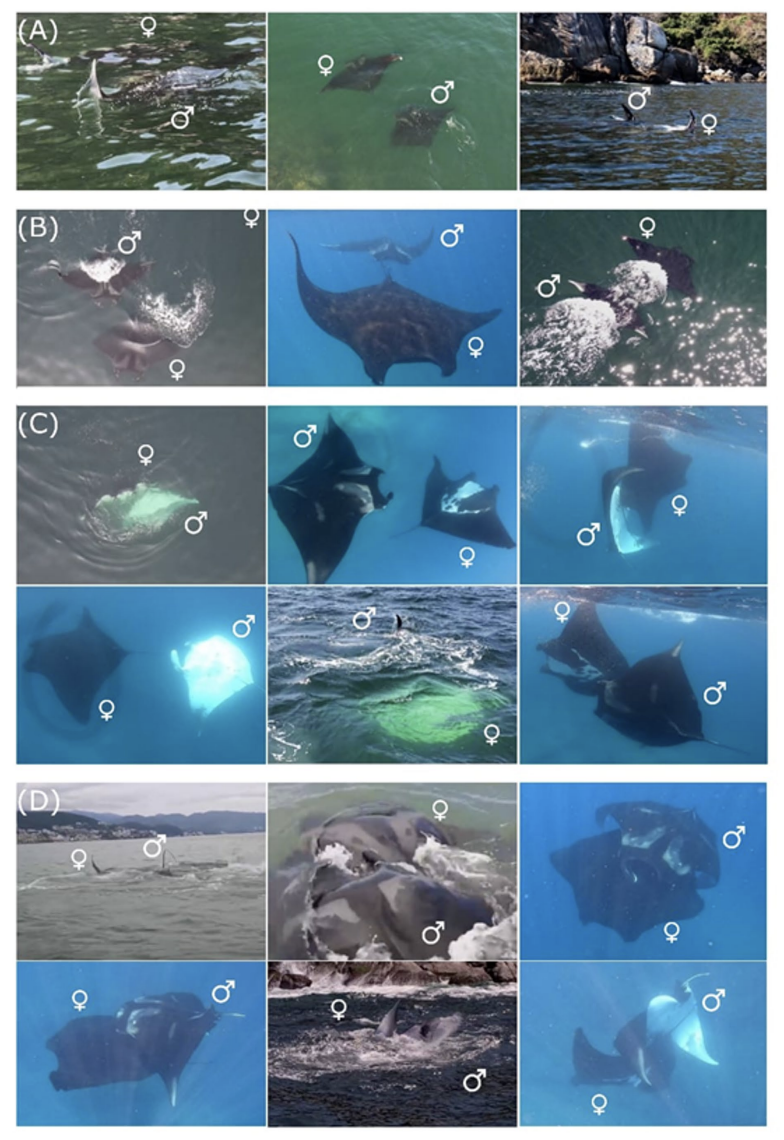
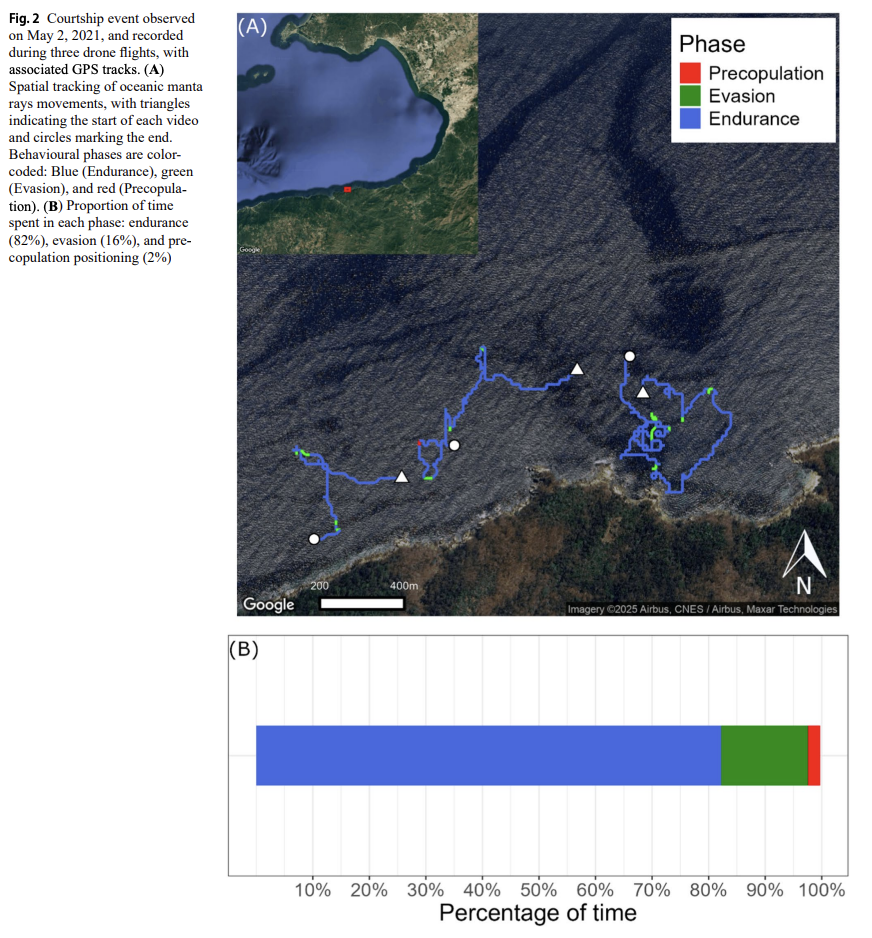
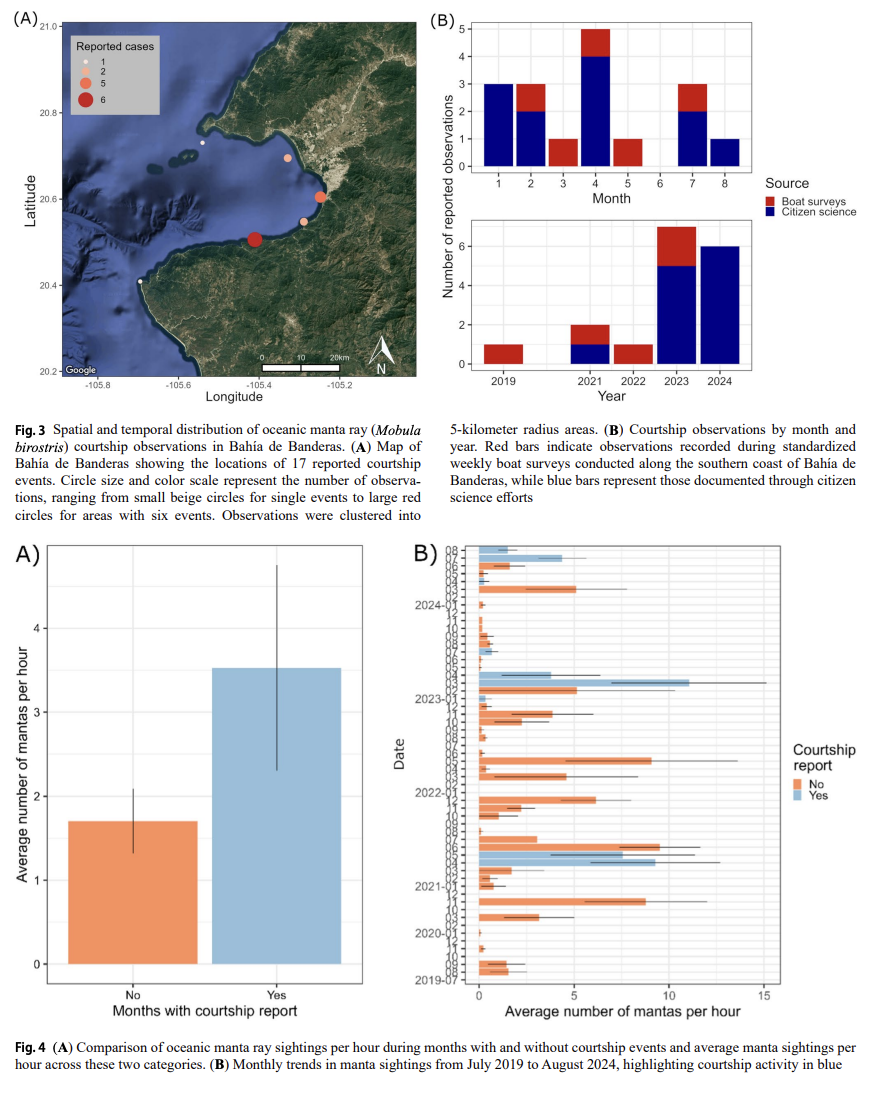
“Oceanic manta rays (Mobula birostris) are endangered and in decline globally. Despite over a decade of targeted research, major knowledge gaps still remain in key life history stages for the species, such as foraging, reproduction, pupping, and nursery habitats. This study examines and describes the courtship behavior of oceanic manta rays (Mobula birostris) in Bahía de Banderas, Mexico, based on 17 recorded events between 2019 and 2024. Four distinct stages of courtship were analyzed using drone tracking, visual monitoring, and citizen reports across all events including putative courtship: Initiation (71% of observations), Endurance (65%), Evasion (41%), and Precopulation (24%). Sighting patterns indicate a link between courtship activity and aggregation seasons for oceanic manta rays, with peaks occurring from January to April and July to August. Most observations were concentrated near the southern coast and the nutrient-rich Banderas canyon. This region highlights the potential interplay between foraging-related aggregative behavior and increased mating opportunities as drivers of courtship behavior.”
Author Affiliations
Proyecto Manta Pacific Mexico
Tecnológico Nacional de Mexico / IT Bahía de Banderas
The Manta Trust
Oregon State University
Contribution towards the Manta Trust's Strategic Plan
Goal 1: Strategic Objective 1.1 – More protective policies exist to support manta and devil ray conservation for geographical focus areas.
Goal 1: Strategic Objective 1.2 – There is improved enforcement of existing protective policies.
Goal 2: Strategic Objective 2.1 – Fishers within focus areas are working towards measures to reduce capture and bycatch mortality.
Goal 2: Strategic Objective 2.2 – Regulations and effective enforcement exist to reduce manta and devil ray capture and bycatch mortality.
Goal 3: Strategic Objective 3.1 – All manta and devil ray species in the regions where we work are fully protected and conserved through species management plans.