
Trialing a novel method of skin mucus sampling to measure stress and reproductive steroid hormones in mobula species Mobula alfredi and Mobula munkiana
2026
Bethany Louise Faulkner (MRes - University of Plymouth)
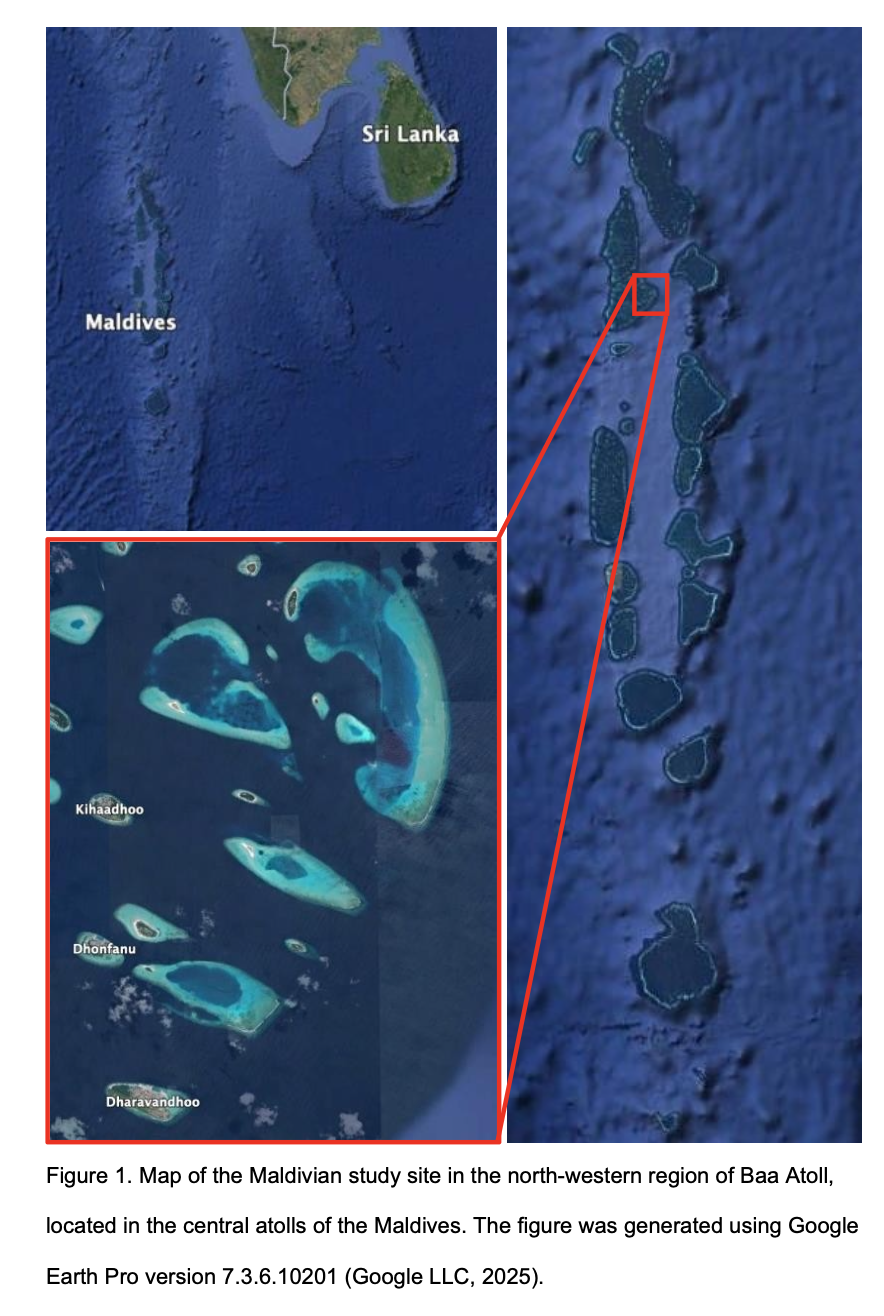
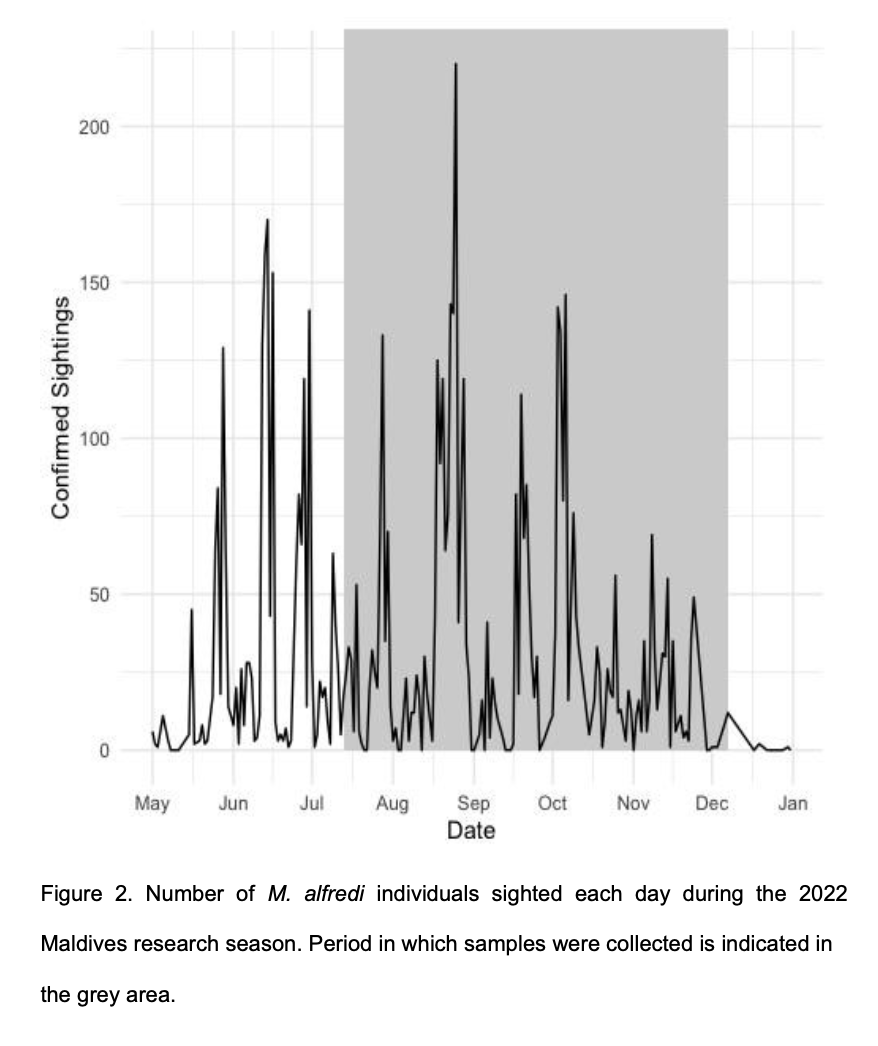
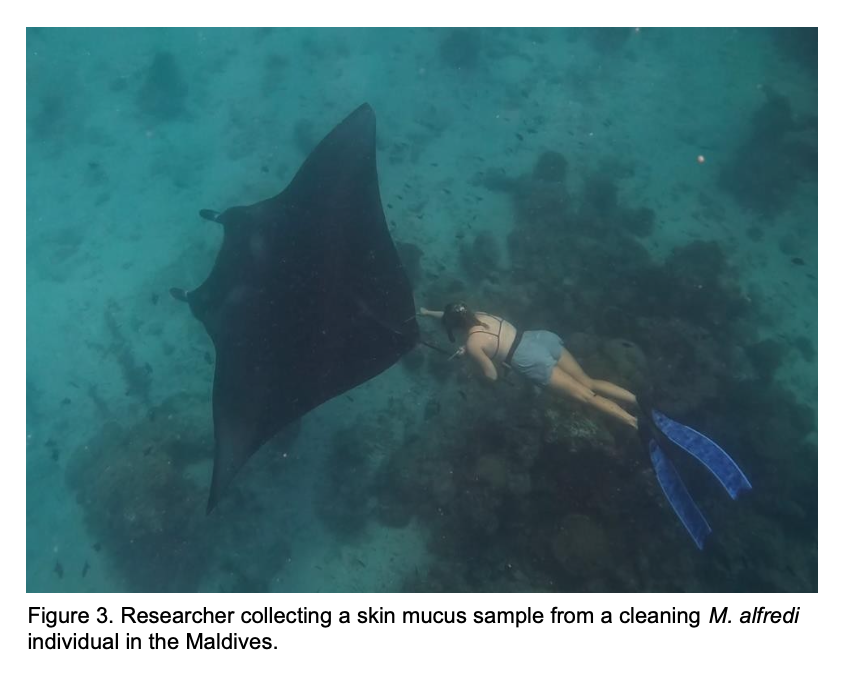
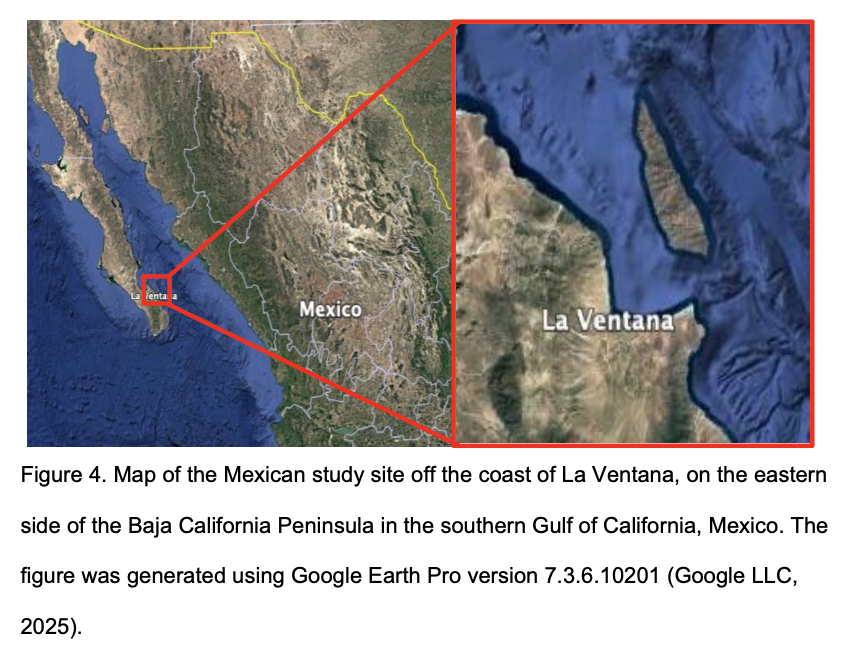
Summary: Every mobulid species is now on the IUCN Red List, but we know little about their stress and reproductive hormones. This pilot study tested whether skin mucus, which is much less invasive to collect than blood, can be used to measure steroid hormones. It looked at cortisol in reef mantas in the Maldives and reproductive hormones in Munk's devil rays in Mexico. Most mantas carried on with normal behaviour after sampling. Cortisol and testosterone were reliably detected, but oestradiol and progesterone failed validation. Hormone levels didn't differ between groups, probably because the samples were small. Even so, the method looks promising for non-invasive monitoring of mobulid physiology.
Abstract
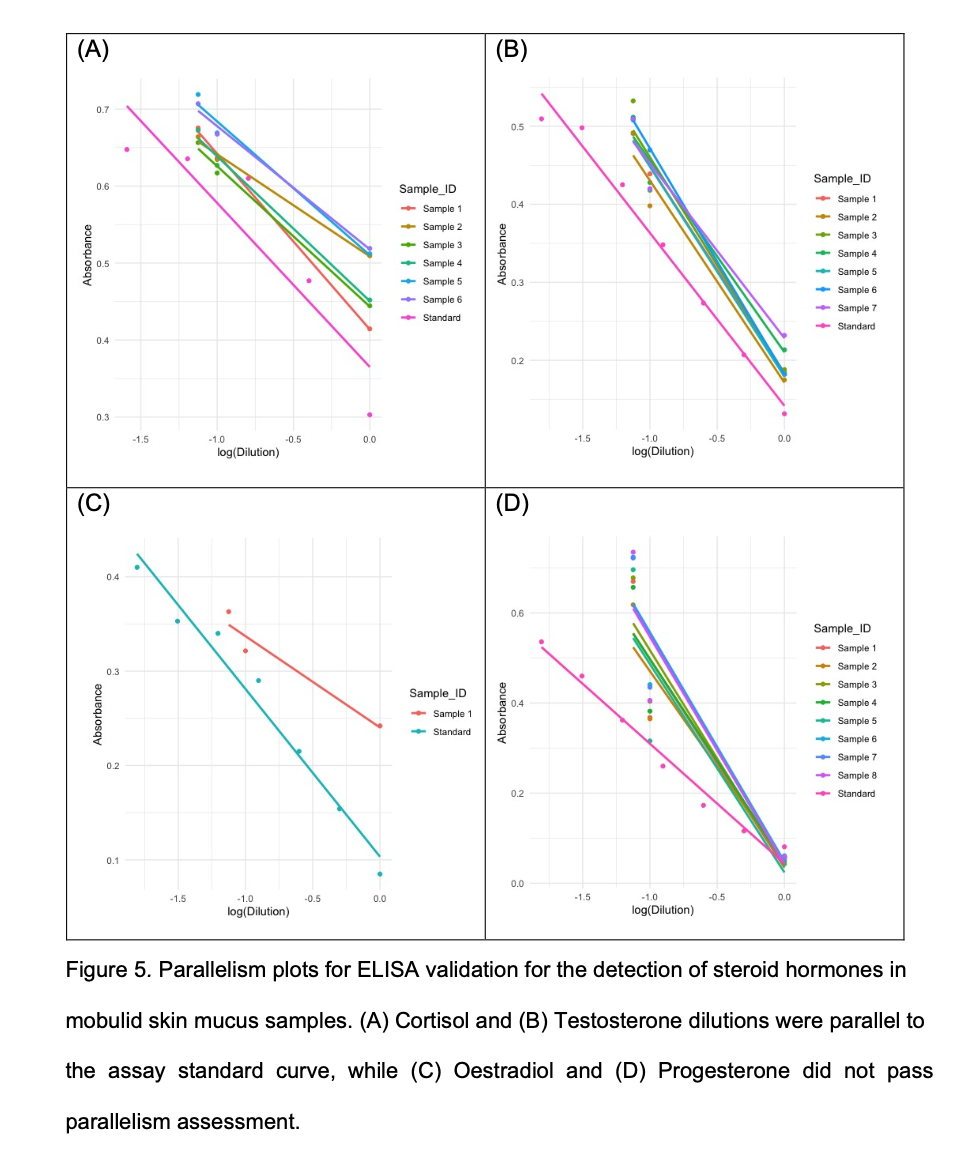
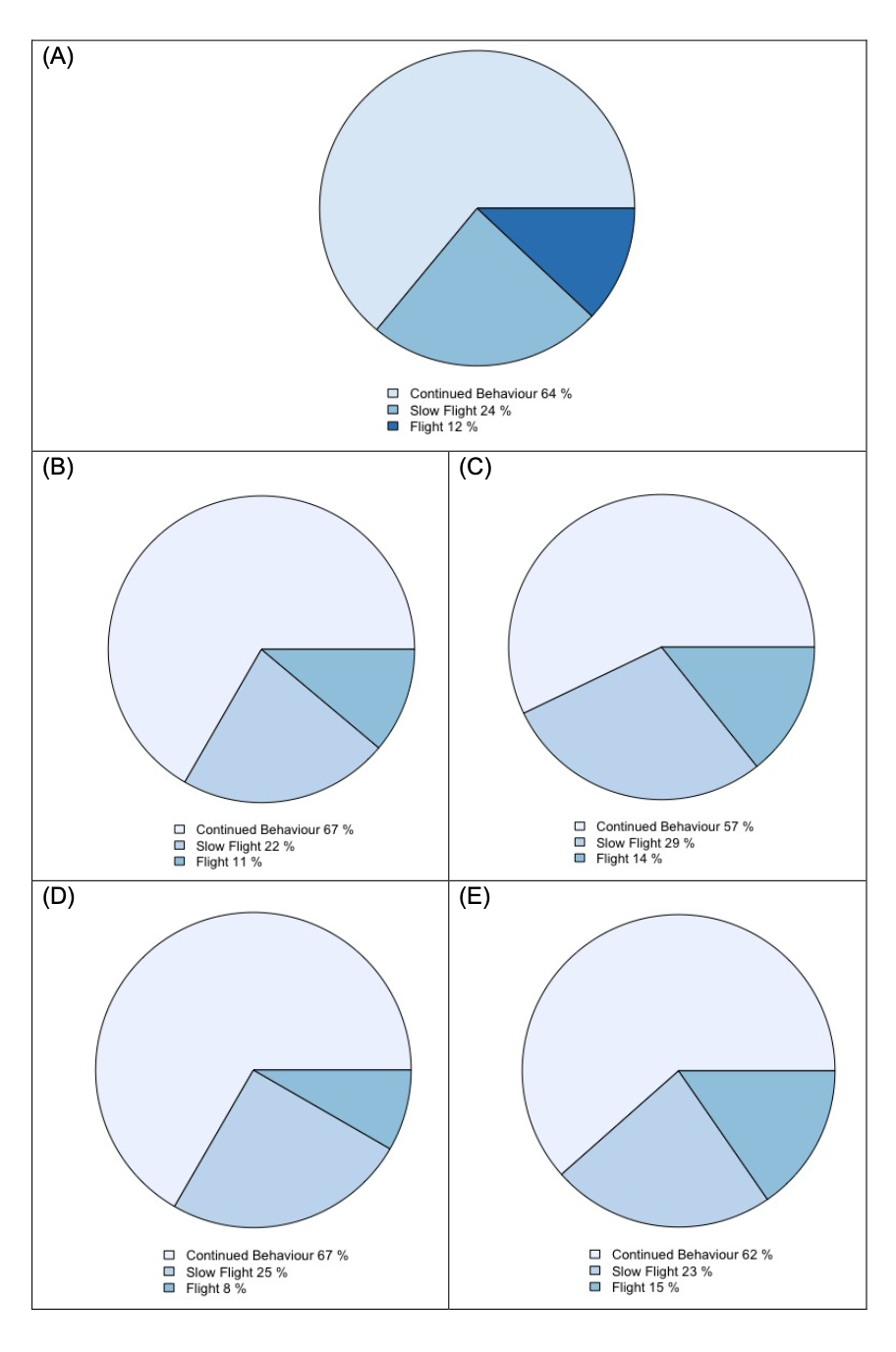
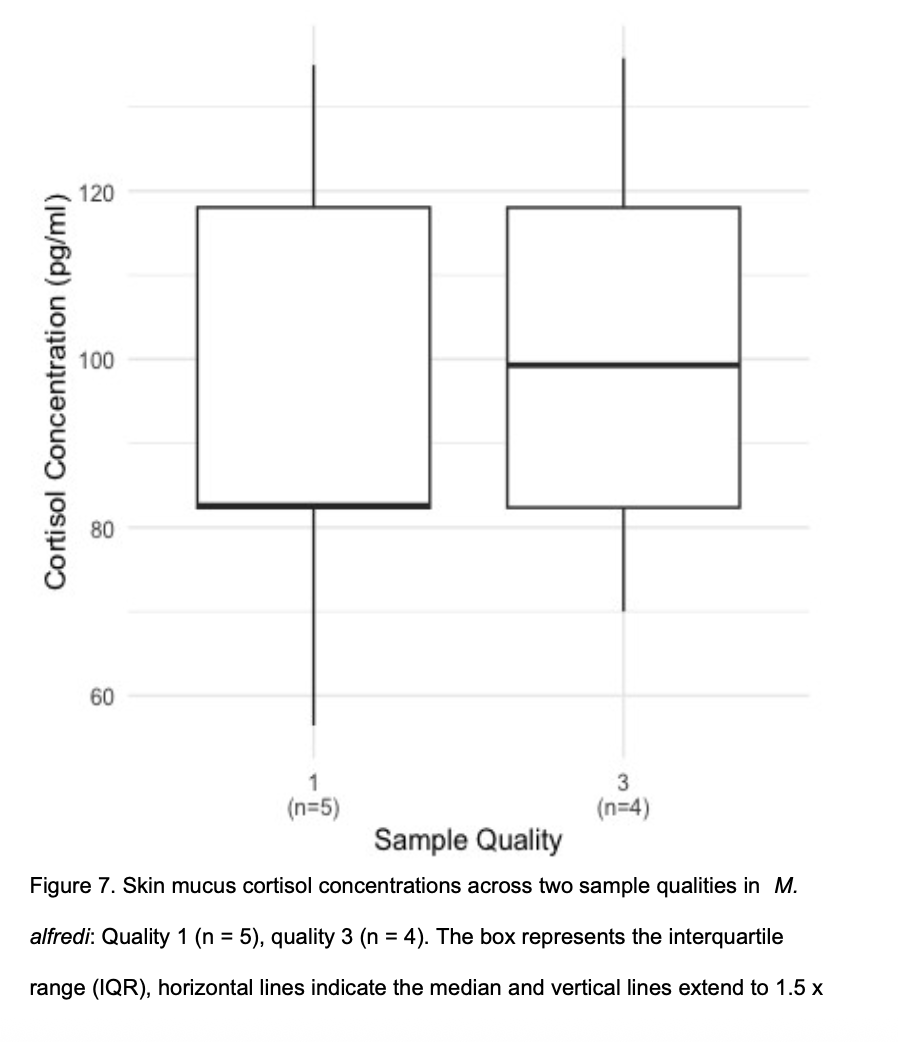
“Anthropogenic pressures, exacerbated by exceptionally slow population growth, have led to all mobulid species being listed on the IUCN Red List. Understanding stress and reproductive physiology is essential for improving mobulid conservation strategies. However, few studies have investigated the hormonal processes that underlie stress responses and reproductive physiology in mobulids. Studies on fish species have identified positive correlations between steroid hormone concentrations in blood and skin mucus, the collection of the latter being a much less invasive technique. This pilot study examined the feasibility of using skin mucus as a non-invasive matrix for detecting steroid hormones in two mobulid species. We investigated the stress hormone, cortisol, in Mobula alfredi in the Maldives, and reproductive hormones (testosterone, oestradiol, progesterone) in Mobula munkiana in Mexico using ELISAs. Short-term behavioural responses were recorded for sampled M. alfredi with the majority exhibiting continued behaviour, supporting the methods ethical application. Parallelism assay validation showed successful detection of cortisol and testosterone in skin mucus. However, oestradiol and progesterone failed validation and were excluded from further analysis. Cortisol levels in M. alfredi showed no significant variation across, sample quality, sex, maturity, sampling period, behavioural context or conspecific presence. Similarly, testosterone concentrations in M. munkiana did not differ between sex or maturity groups. While variability in hormone levels was limited in this study, likely due to small sample sizes and pooled sample analysis, the successful assay validation and minimal behavioural disruption highlight the potential of this method for future physiological monitoring. Broader applications could include long-term studies, and repeat sampling of individuals to assess stress and reproduction, thus informing conservation decisions. This study demonstrated that skin mucus sampling can be applied as a novel method to non-invasively detect steroid hormones in mobulid rays and could be developed to fill crucial knowledge gaps in mobulid reproductive and stress physiology.”
Author Affiliations
University of Plymouth
The Manta Trust
The Maldives Manta Conservation Programme
Mobula Conservation Project