
Clamping down on mobulid movement: rigid attachment of a biologging device on the reef manta ray, Mobula alfredi
June 2026
Rachel J. Newsome, Robert W. Bullock, Guy M. W. Stevens, Henriette M. V. Grimmel, Mark G. Meekan, Lauren R. Peel, Mike van Keulen & Adrian C. Gleiss
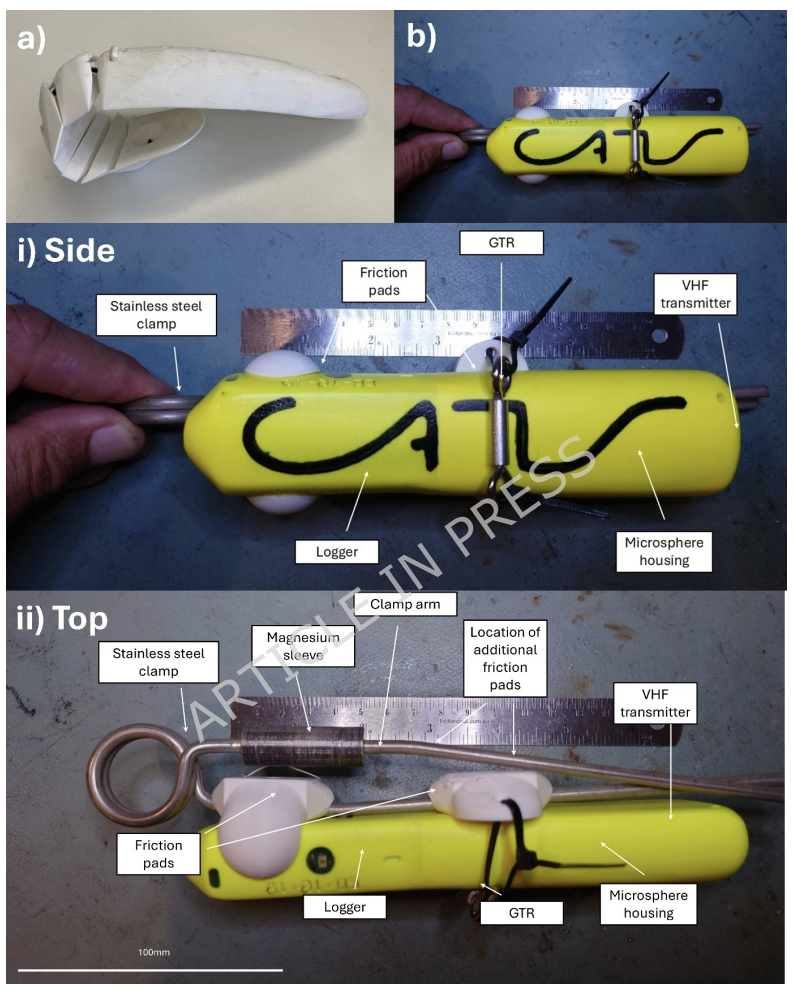
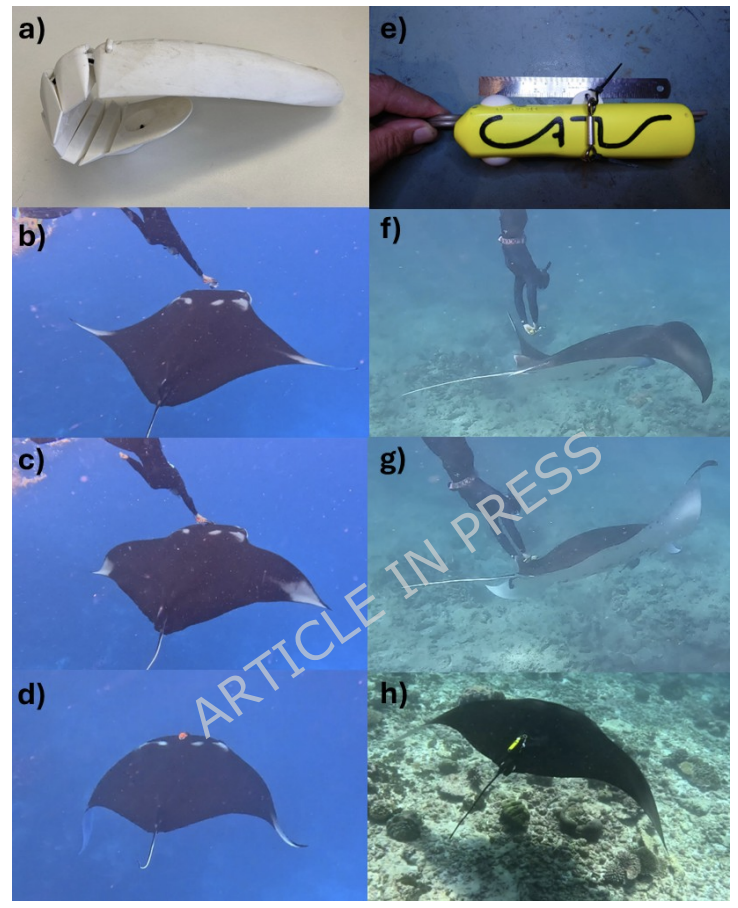
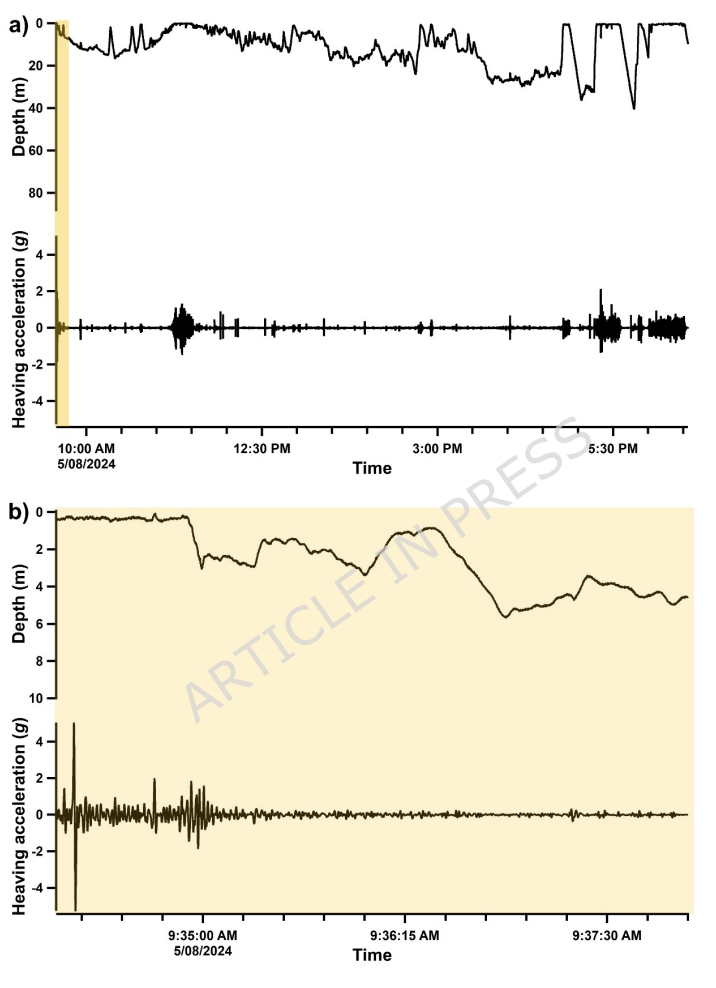
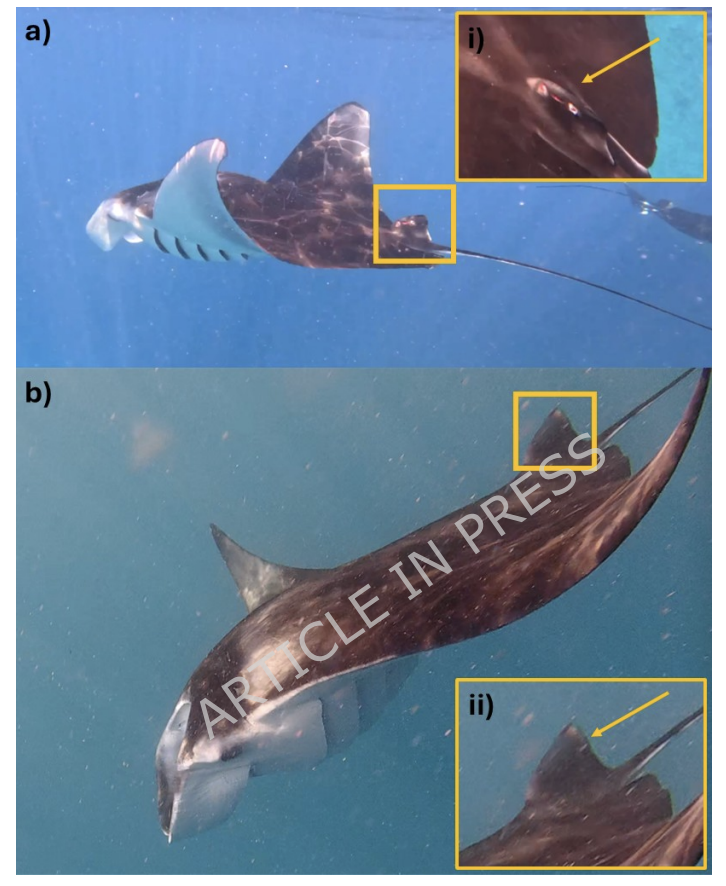
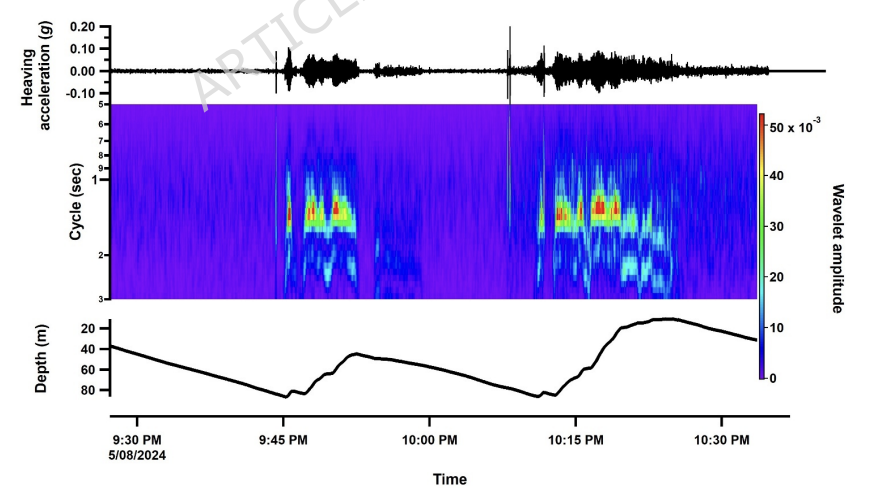
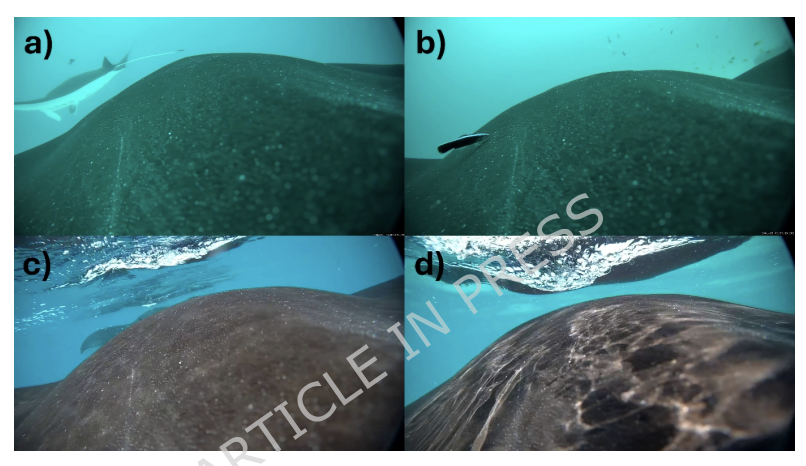
Summary: Animal-attached biologging tags have transformed studies of large marine animals, but motion-sensitive sensors require rigid attachment, which is difficult on species such as pelagic rays without capture and restraint. Existing methods can cause stress, injury and practical or ethical constraints. This study evaluated two rigid attachment techniques for free-swimming reef manta rays (Mobula alfredi). A top jaw clamp, tested on five individuals, detached within three minutes. A modified dorsal fin clamp, deployed on 31 rays, remained attached for up to 55.5 hours, with 87% achieving the intended deployment. This method enables reliable motion-sensor data collection, improving understanding of manta and devil ray behaviour and ecology.
Abstract
“Animal-attached biologging tags (biologgers) have revolutionised the documentation of the movement and behaviour of large, mobile marine species, however, motion-sensitive sensors (e.g., accelerometers and magnetometers) ideally require rigid attachment and are often challenging to deploy without capture and restraint on species without smooth skin, where traditional suction cup attachments fail. This process can cause stress and injuries and may not be practically feasible or permissible for some large or threatened species. Although advances in deployment methods have facilitated rigid attachments on free-swimming pelagic sharks and whales, no study to-date has developed a rigid attachment approach to reliably collect motion-sensitive data from free-swimming pelagic rays without the need for capture and restraint. Here, we describe two methods of rigid tag attachment, a top jaw clamp and modified dorsal fin clamp, that were trialled on reef manta rays (Mobula alfredi) and detail the animal response and success rates of each method. The top jaw clamp attachment was deployed on five manta rays but had very short retention times (< 3 min) because of dislodgement by animals. Dorsal fin clamps were deployed on 31 reef manta rays and remained attached for up to 55.5 h, with 27 of 31 (87%) of recovered tags being retained for the intended deployment duration. The dorsal fin clamp provided an effective method of deploying sensors that require a rigid attachment onto manta rays and the data these sensors collect has great potential to advance current understanding of mobulid ecology and behaviour.”
Author Affiliations
Murdoch University
Save Our Seas Foundation D’Arros Research Centre
James Cook University
The Manta Trust
Oceans Institute, The University of Western Australia
Contribution towards the Manta Trust's Strategic Plan
Goal 3: Strategic Objective 3.2 – Key aggregation sites fall within protected areas that are effectively managed
Goal 3: Strategic Objective 3.4 – The environmental drivers on manta ray populations are better understood to help determine the impact of the climate crisis and inform conservation measures.