Manta Munchies: Plankton dynamics and feeding behaviour of reef manta rays (Mobula alfredi) around D'Arros Island in the Seychelles
January 2026
Dillys K. Pouponeau, Joanna L. Harris, Henriette M.V. Grimmel, Ellie E. Moulinié & Robert W. Bullock
Keywords: Conservation • Elasmobranch • Foraging Ecology • Manta Ray • Marine Protected Area • Planktivores • Threatened Species • Zooplankton
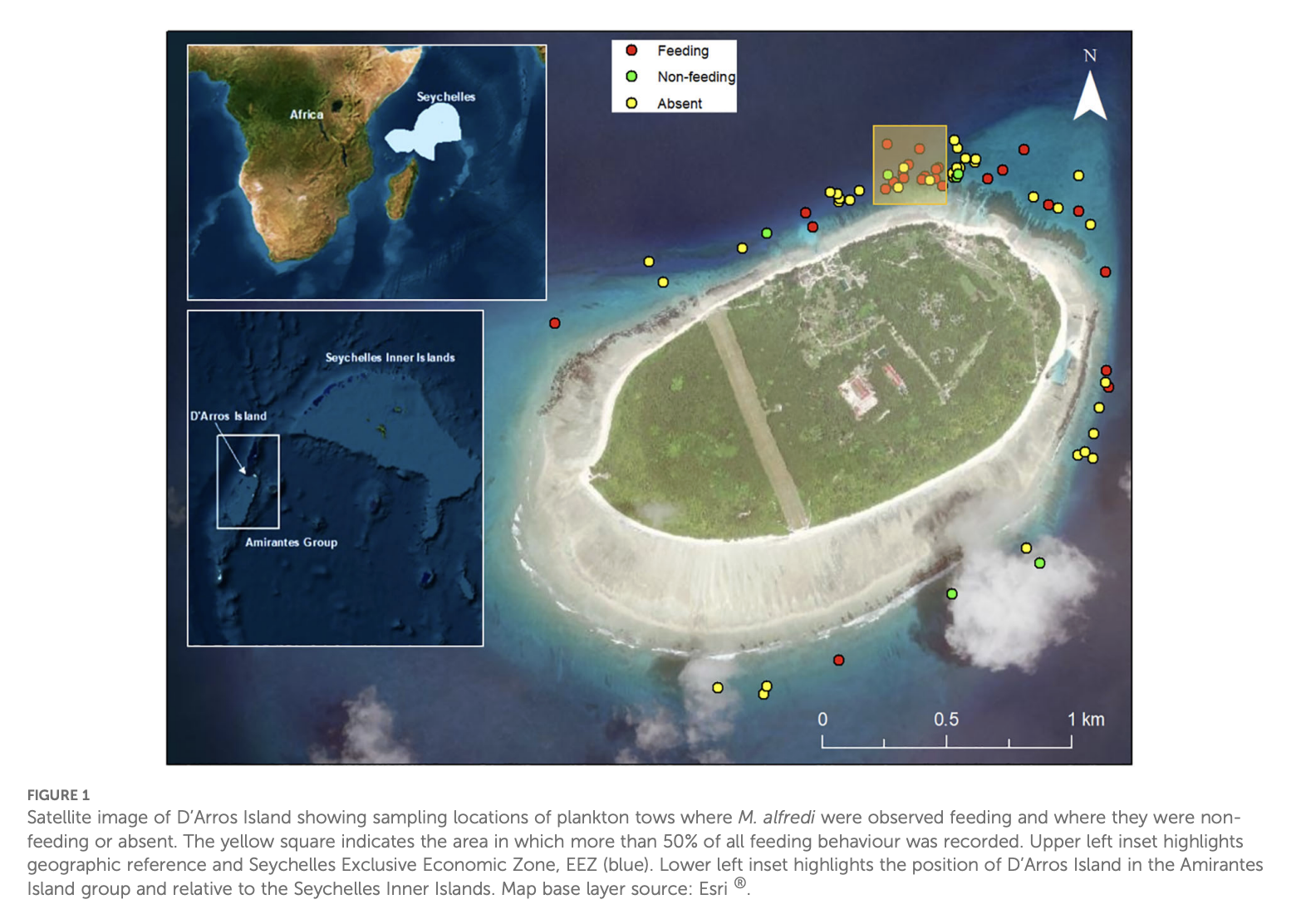
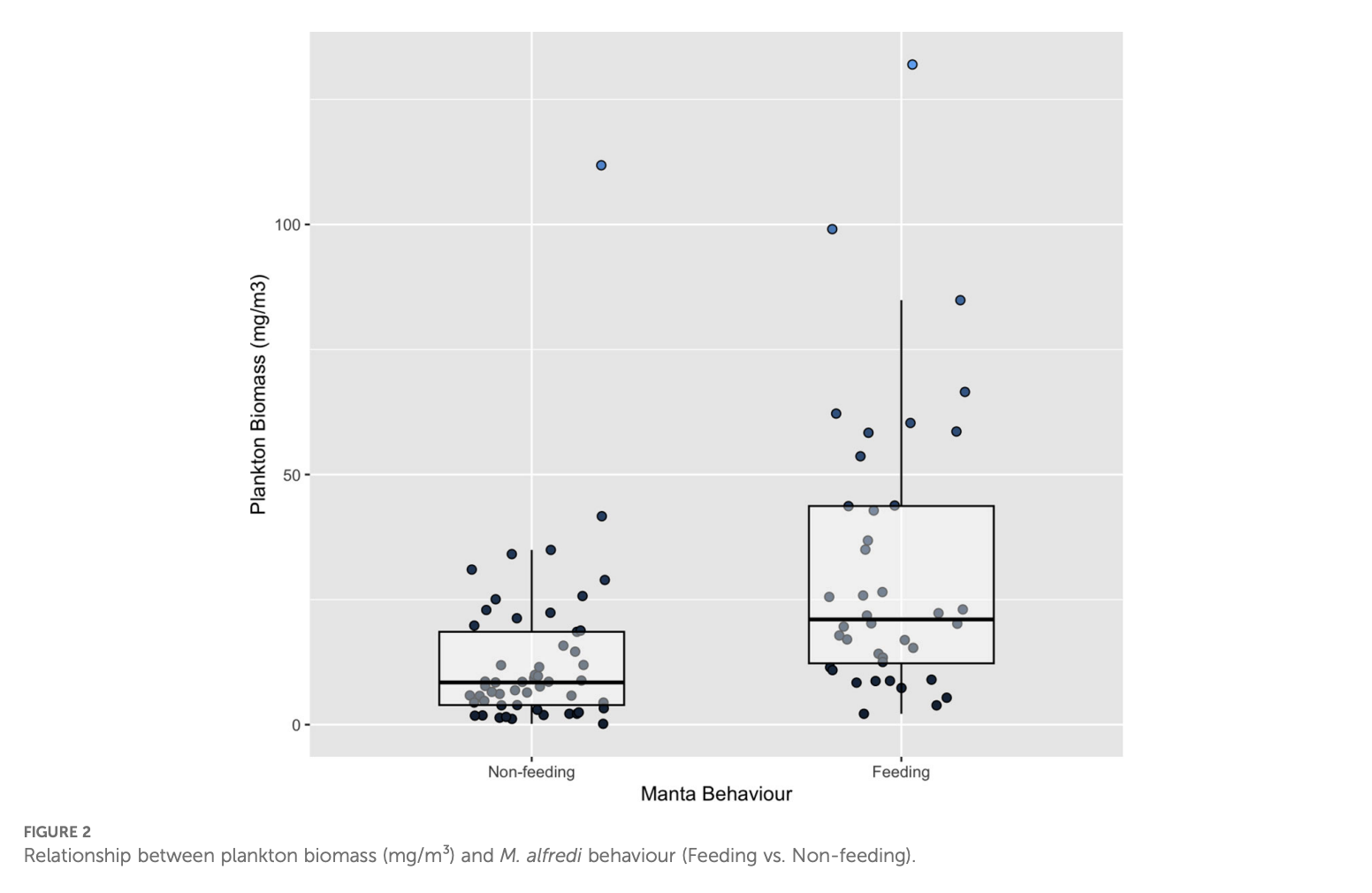
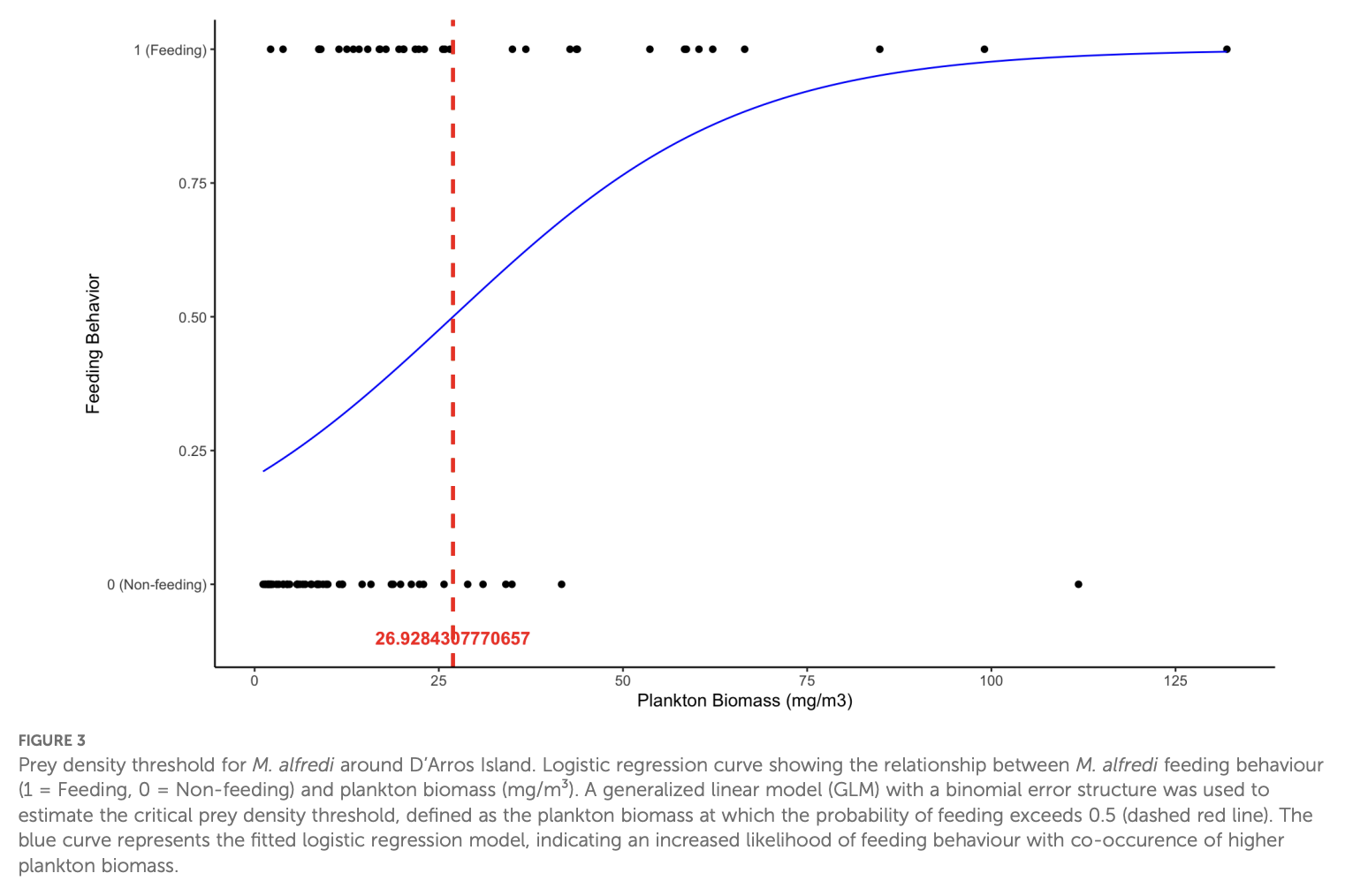
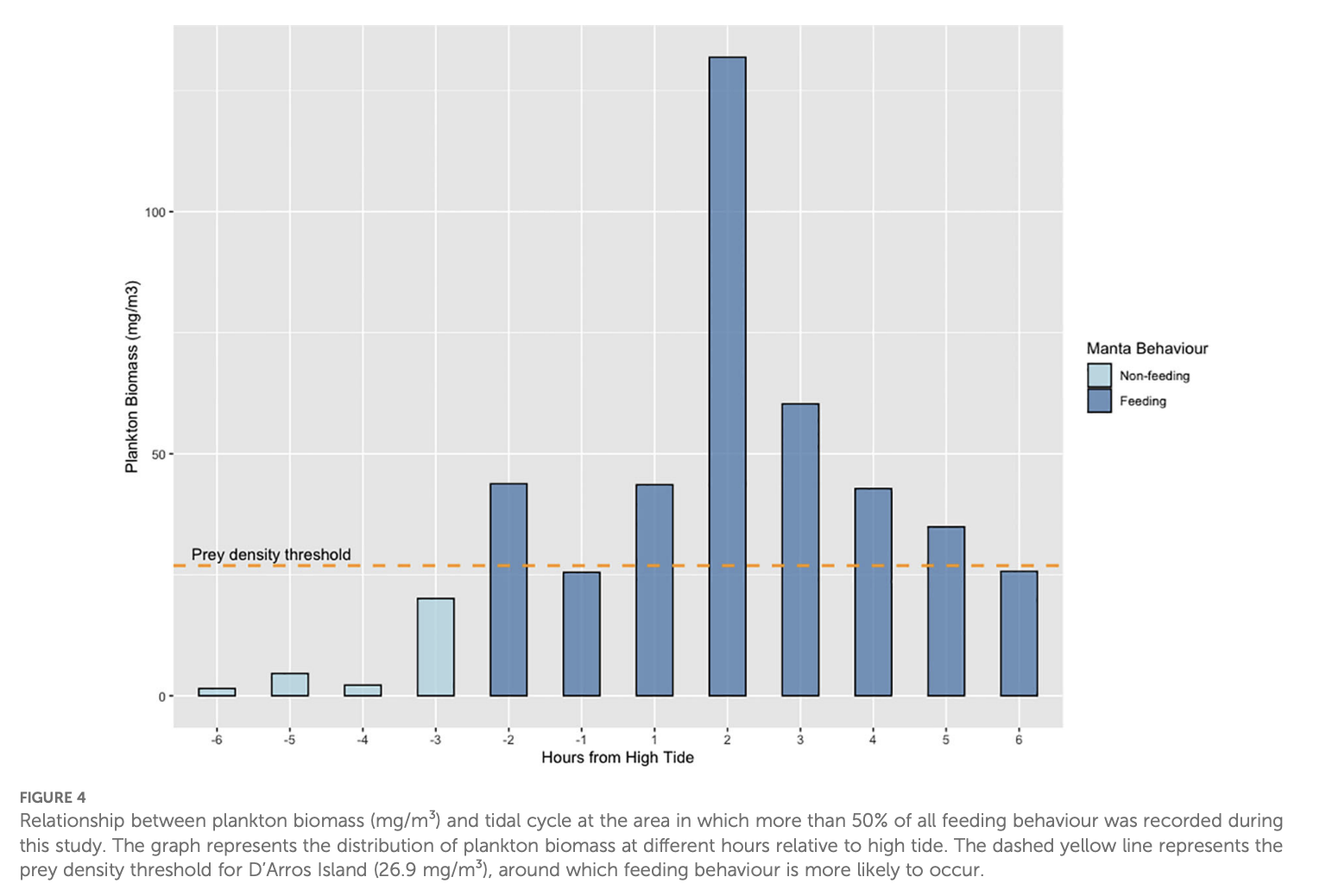
Summary: This study examined the feeding ecology of the threatened reef manta ray (Mobula alfredi) at D’Arros Island, Seychelles, the country’s largest known aggregation site. Researchers collected plankton and environmental data during feeding and non-feeding periods to understand the relationship between prey availability and manta ray behaviour. Statistical analysis showed that surface feeding occurred primarily when plankton biomass exceeded 26.9 mg/m³, influenced by tidal phase, while no seasonal differences in feeding or plankton density were observed. These results highlight the year-round importance of D’Arros Island for M. alfredi and provide critical data to inform targeted conservation and management strategies.
Abstract
“The reef manta ray (Mobula alfredi) is a threatened filter-feeding elasmobranch that requires immediate management and protection across large parts of its range. Despite being well-studied, a detailed understanding of their feeding ecology, which shapes their residency, movement patterns, and behaviour, remains underexplored. Both global and site-specific research is required to fill significant knowledge gaps essential for designing effective conservation strategies for this species and their habitats. This study investigated M. alfredi feeding behaviour in relation to plankton biomass dynamics at D’Arros Island in the Seychelles, the largest known M. alfredi aggregation site in the country and a gazetted marine protected area. Plankton samples were collected, along with corresponding environmental data, during M. alfredi feeding and non-feeding behaviour. Statistical modelling revealed that surface feeding occurred predominantly during periods of higher plankton biomass, with a critical prey density threshold of 26.9 mg/m³, which had a significant relationship with tidal phase. Additionally, there were no significant differences in feeding behaviour and plankton biomass across seasons, which demonstrates the year-round value of D’Arros Island to this species. These findings provide new insights into the feeding ecology of M. alfredi in the Seychelles and support future conservation and management initiatives for this threatened species.”
Author Affiliations
University of Exeter
Save Our Seas Foundation D'Arros Research Centre
Jersey International Centre of Advanced Studies
University of Plymouth
The Manta Trust
James Cook University
Contribution towards the Manta Trust's Strategic Plan
Goal 3: Strategic Objective 3.1 - All manta and devil ray species in the regions where we work are fully protected and conserved through species management plans.
Goal 3: Strategic Objective 3.2 – Key manta and devil ray aggression sites in the regions where we work fall within protected areas that are effectively managed.
Goal 3: Strategic Objective 3.4 – The environmental drivers on manta ray populations are better understood to help determine the impact of the climate crisis and inform conservation measures.